


Why We're Here


In a time of accelerating change, people are carrying emotional strain long before our institutions acknowledge it.
That disconnect between what we feel and what gets named is where our work begins.
What started as a focus on the mental load shaping women’s well‑being has evolved into a broader understanding of how these pressures show up across identities and environments. The patterns we first witnessed in women’s lives revealed something larger: wellness isn’t a personal issue, but a structural one. This insight has shaped our research and community practice that’s built through our nonprofit arm, SeekHer Foundation, and lays the groundwork for a collective approach to well-being.
As a public benefit corporation, our social impact model integrates research, lived experience, and community‑driven practice to strengthen emotional ecosystems at both organizational and community levels. We design the relational systems that support sustainable well‑being across the environments where people live, work, and gather.
By aligning with UN Sustainable Development Goals for health and well-being (SDG 3), gender equality (SDG 5), and sustainable work & economic growth (SDG 8), we’re defining emotional sustainability as a field where well‑being is a shared responsibility —
One embedded in culture, supported by leadership, and sustained through the environments that shape how people connect, contribute, and belong.
PARTNERS IN PURPOSE
Organizations Who’ve Joined Us In This Work












Cultivating Wellness & Equity to Lead & Live
This is our commitment to building cultures where the human experience is understood, supported, and where emotional sustainability becomes the standard.
We recognize the full range of what it means to be human: the quiet moments that steady us, the vulnerability it takes to show up honestly, and the collective strength that emerges when people feel safe enough to be themselves.
We know that emotional sustainability isn’t individual work — it’s relational and cultural. When understanding becomes shared, the space between “me” and “we” gets smaller. Workplaces begin to feel more human. Trust deepens. Belonging expands. Leaders become more attuned. Teams become more connected. Organizations become more resilient. Businesses become levers for systemic change.
Success isn’t measured only in outcomes, but in the emotional ecosystems we help strengthen: the people supported, the stories centered, and the communities empowered.
Every interaction matters.
Every moment of care shifts something.
Together, we’re shaping a more emotionally sustainable world.


Meet The Founder
Dr. Monica Mo is the founder & CEO of WellSeek and the director of SeekHer Foundation, the organization’s women’s mental health nonprofit arm. A former biotech scientist turned social impact advisor, she has led award‑winning advocacy campaigns and well‑being initiatives with national brands and organizations, reaching millions across channels.
Her background in systems biology shapes her approach to emotional sustainability, bringing a scientific lens to the patterns, interactions, and environmental conditions that influence human well‑being. What began as modeling biological networks has evolved into designing the relational and cultural systems that support workplaces and communities.
Featured on Forbes, The Wall Street Journal, Thrive Global, Motherly, and more, she champions women’s mental health through community care by bridging advocates and allies with a shared vision to power more women for the greater good. Her TED talk "Changing How We Think About Wellness" has reached over 360K views, sparking a nationwide conversation on redefining health, beauty, and identity in today’s world.
Dr. Mo has spent over a decade activating communities through story‑driven science and a human‑forward lens. Earlier in her career, she specialized in metabolic engineering, human therapeutics design, and data analytics, contributing to the academic teams that pioneered the “Google map of human metabolism,” featured in TIME, CNN, and CNET. She holds a B.S., M.S., and Ph.D. in Bioengineering from the University of California, San Diego, and calls San Diego home with her husband and two children.
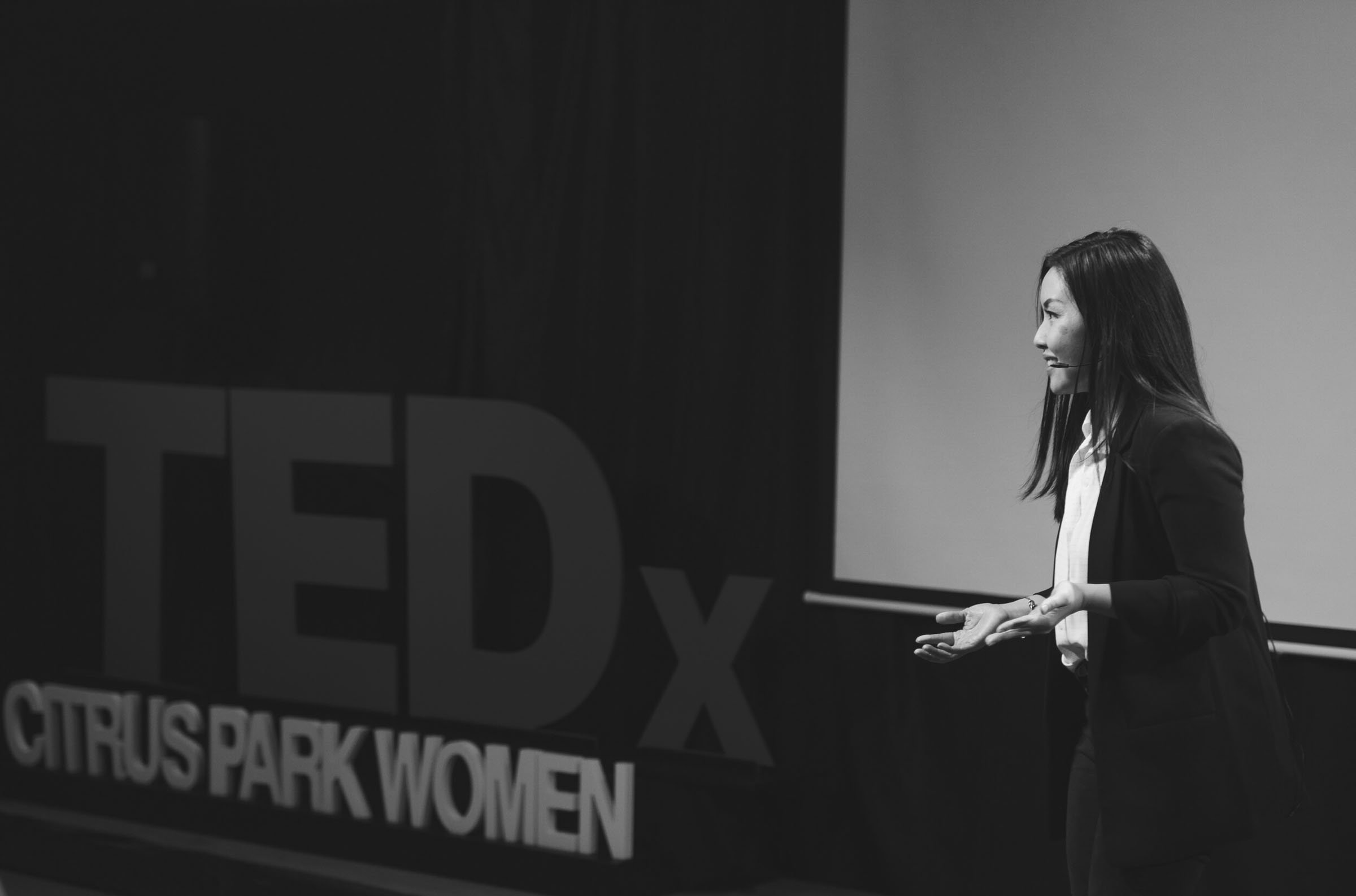
“When you stop fighting what is, you can focus on what is possible.”
— Monica Mo, Changing How We Think About Wellness